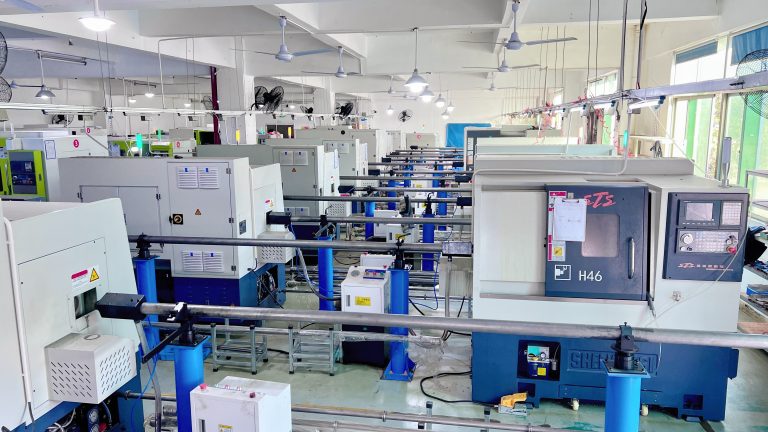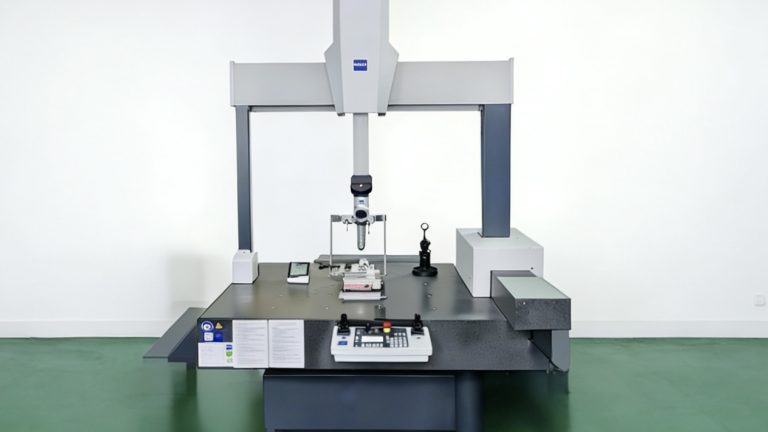
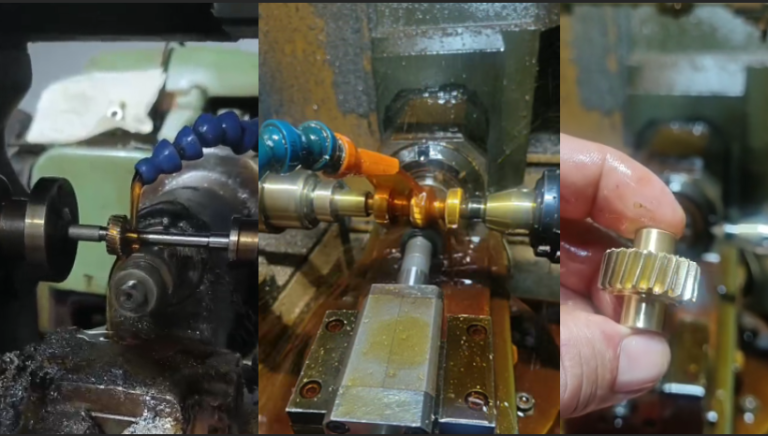
Overview
A spur-gear RFQ is usable when tooth geometry, material and quality expectations are explicit on the drawing or data sheet. Missing module or diametral pitch, tooth count, face width or quality class forces clarification loops before a process route can be confirmed.
OEM buyers should treat gear specification as a manufacturing contract: the clearer the inputs, the more reliable the manufacturability review.
Data to specify
Include module or diametral pitch, pressure angle, tooth count, face width, bore or shaft interface, material and heat-treat notes, and the quality or inspection class you expect. Add backlash or center-distance requirements when they are design-critical.
Provide PDF drawings with revision control plus STEP models when available. If the gear mates with an existing part, share the mating data or assembly constraint that drives tooth and center-distance decisions.
Process route notes
Spur gears and helical gears are not interchangeable manufacturing problems. Helical geometry, worm sets and plastic gears each change tooling, inspection and finishing assumptions. State the gear type clearly instead of attaching a generic “gear” label.
Next steps
Review Gear Manufacturing and Spur Gears, then request a quote with complete gear data.