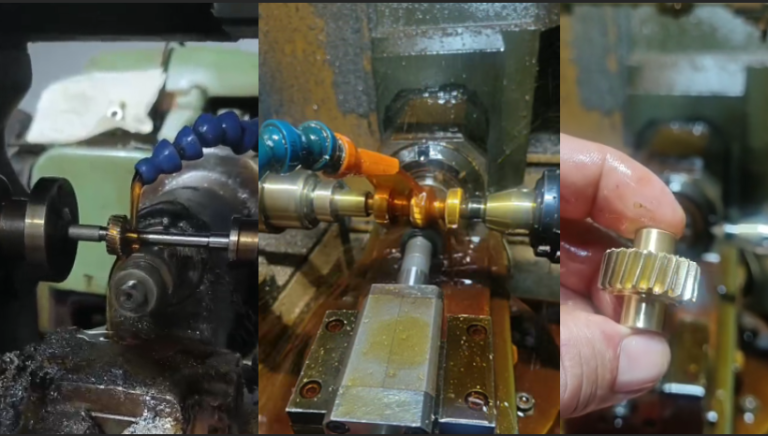
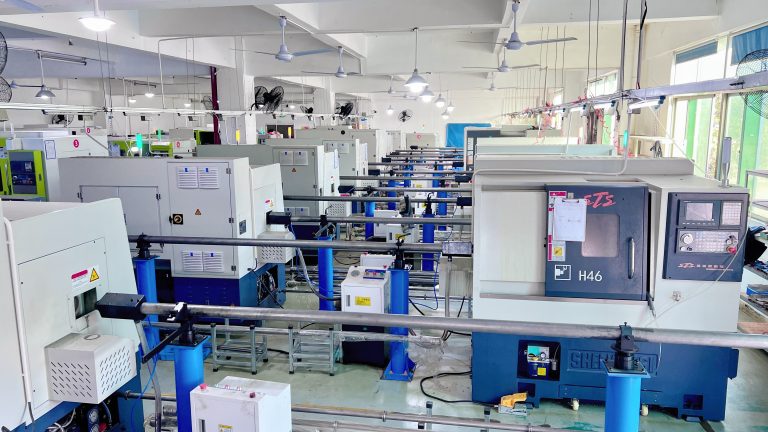
Overview
Surface finish callouts tell the manufacturer how smooth a feature must be after machining or secondary finishing. Applying a tight finish everywhere raises cost without improving function; applying it only on sealing, bearing or cosmetic zones keeps the requirement clear.
Use a standard notation such as Ra on the drawing and point it at the features that truly need control.
Where finish matters
Finish usually matters on sealing diameters, bearing seats, sliding fits and visible cosmetic faces. Rough stock-removal surfaces that never contact a mate often do not need the same callout.
Material and coating also interact with finish. Stainless, aluminum and brass do not behave the same under identical tooling, and plating or anodizing can change the final surface condition—state post-finish expectations when coatings are required.
How to call it out
Place finish symbols on the specific diameters or faces that need them, and avoid a single blanket note unless the entire part truly shares one requirement. Mention whether the finish applies before or after coating when that sequence matters.
Next steps
Review Surface Finishing and CNC Turning, then send marked drawings via Request a Quote.