Overview
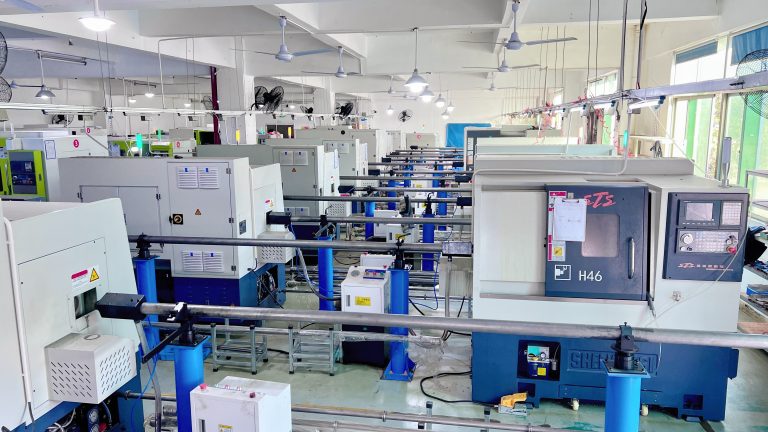
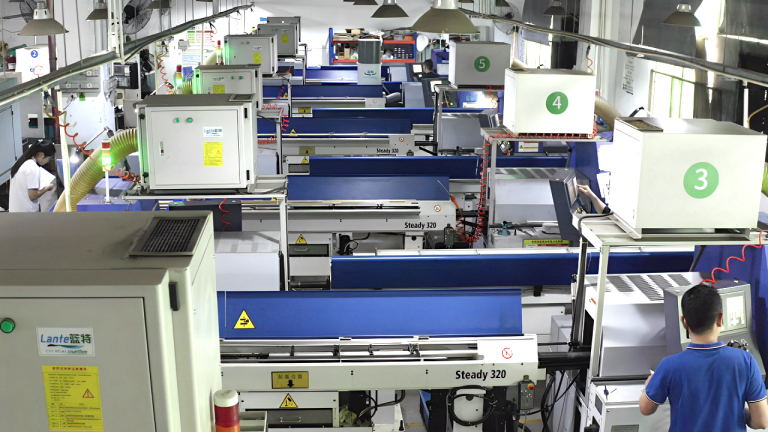
A guide bushing in Swiss-type CNC turning supports the bar stock close to the cutting zone. That near-tool support reduces deflection risk on long, slender or multi-feature small-diameter parts compared with unsupported overhang on a conventional lathe.
For buyers, the bushing is not a marketing detail. It is the geometric reason Swiss-type routes are chosen when length-to-diameter ratio, concentric relationships or dense features would otherwise force extra setups or unstable cuts.
When the bushing matters
Guide-bushing support matters most when parts are miniature, slender or feature-rich and need stable cutting near the work zone. Typical candidates include precision shafts and pins, adapter fittings, bushings and other custom small precision parts.
If the blank is short and stiff, or the job is mainly a larger rotational envelope without slender guidance needs, conventional CNC turning may be the more direct route. Pocketing and multi-face milling features still belong on milling or turn-mill processes.
What to note in an RFQ
Call out overall length, critical diameters, concentricity or runout needs, material grade and any secondary operations such as knurling or cross holes. Attach revision-controlled PDF drawings and STEP/DWG models when available so the process route can be checked against guide-bushing fit.
Next steps
Review Swiss-Type CNC Turning and Swiss Turned Components, then request a quote with drawings and volume.