
Most versatile. Good strength, excellent machinability and corrosion resistance. General-purpose structural parts.
CNC Machining Materials We Work With
Compare metals, plastics and specialty alloys by grade, properties and application fit.
8 Material Families, 70+ Grades
Select a family to compare grades, properties and typical applications.
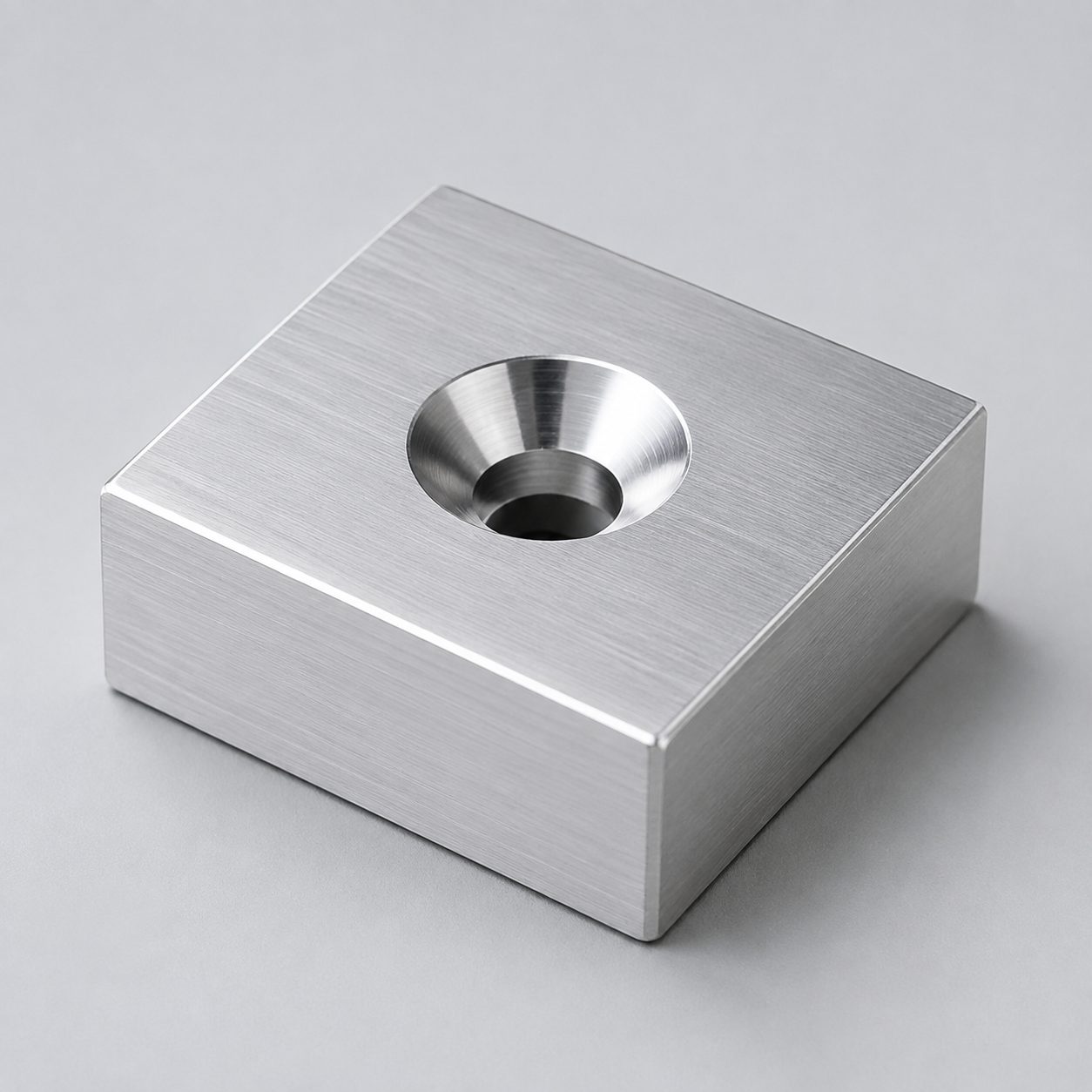
Aluminum Alloys
Aluminum is one of the most widely used materials in CNC machining - valued for its excellent strength-to-weight ratio, corrosion resistance and natural finish. It machines quickly and takes well to anodizing, making it a popular choice for everything from consumer electronics to aerospace components.
Aluminum grades are classified by series (6000-series for structural, 7000-series for high strength). The 6061-T6 is our most commonly machined aluminum grade - a versatile workhorse for general-purpose precision parts.
Common Grades We Machine
Excellent for anodizing and extrusion. Commonly used for architectural and decorative components.
High-strength aerospace grade. Strongest aluminum alloy. Used for high-stress structural components.
High strength with good fatigue resistance. Aerospace and high-performance applications.
Excellent corrosion resistance, especially in marine environments. Good formability.
European standard structural aluminum. Similar to 6061 with slightly higher strength.
Typical Applications
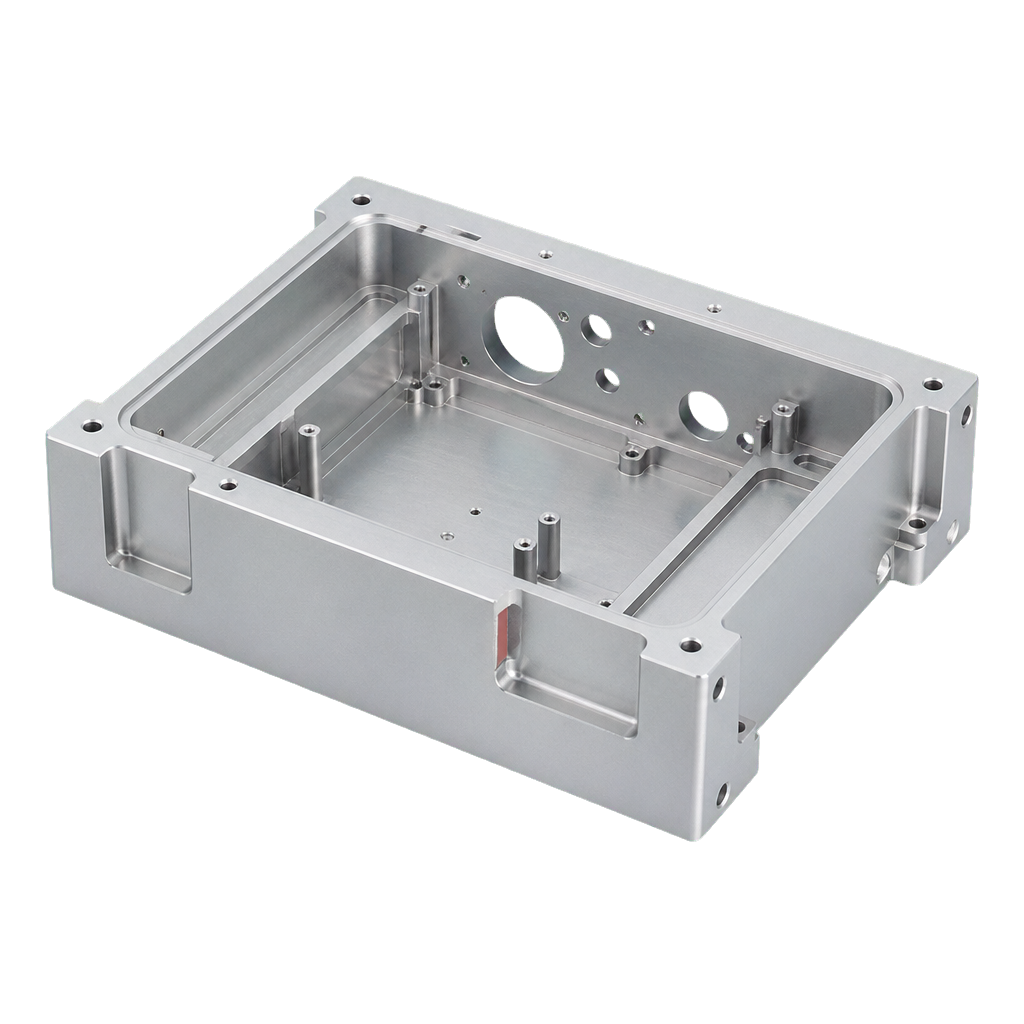 Electronic enclosures
 Automotive components
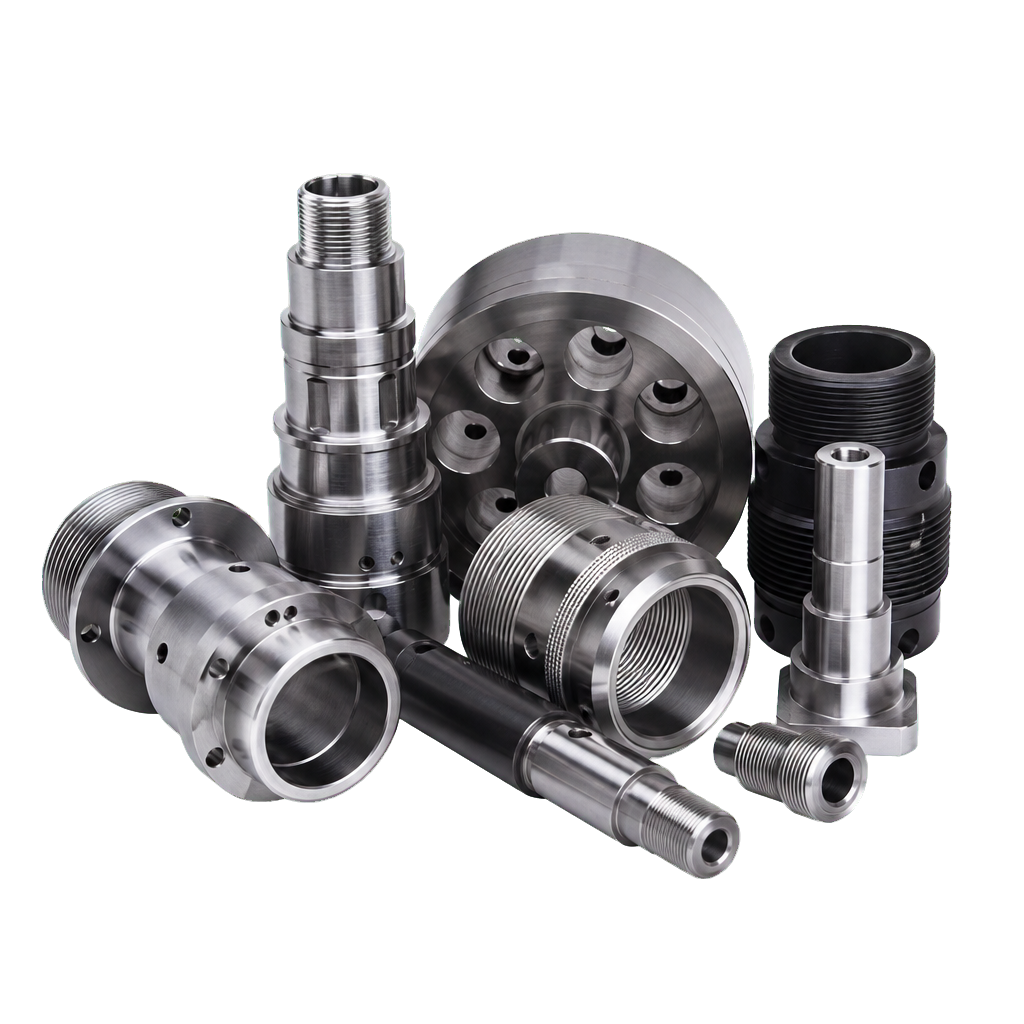 Aerospace structures
 Consumer products
 Medical devices
 Robotic parts
Heat sinks
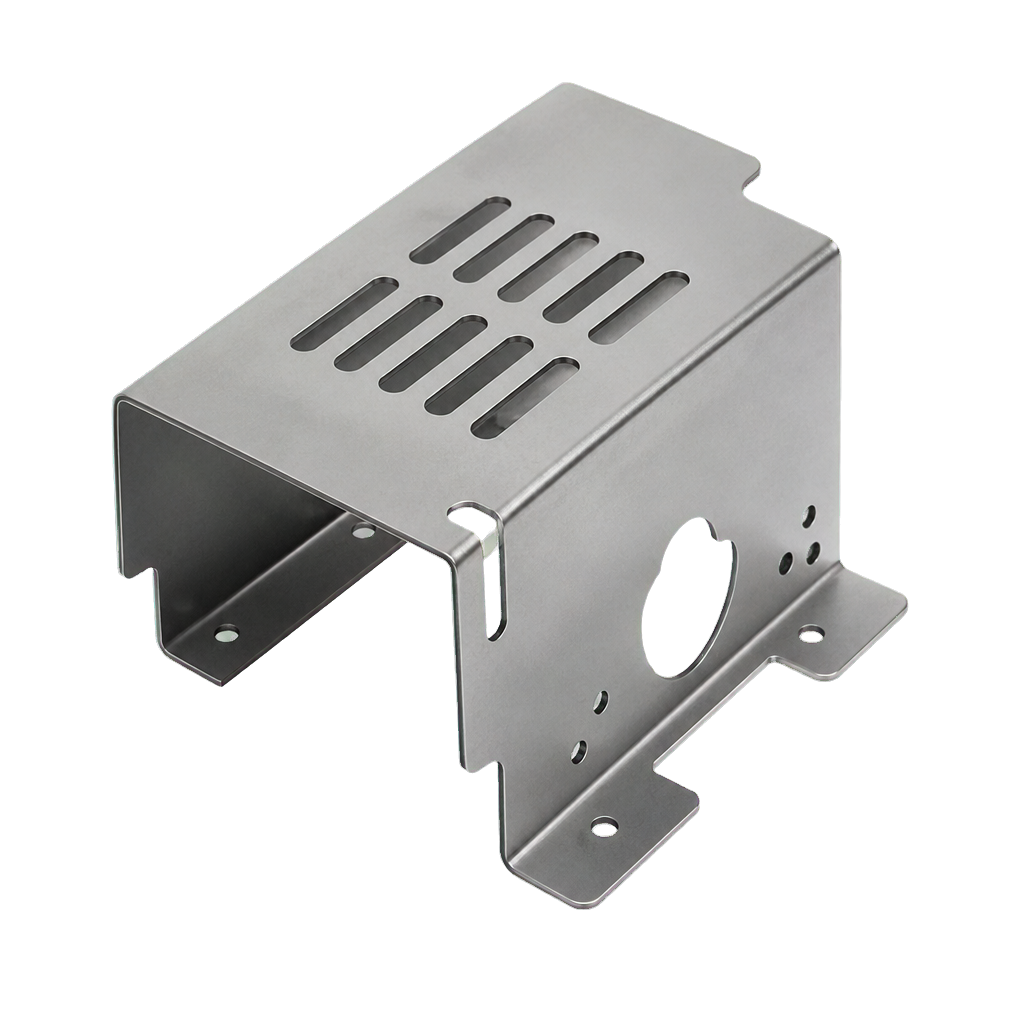 Brackets & mounts
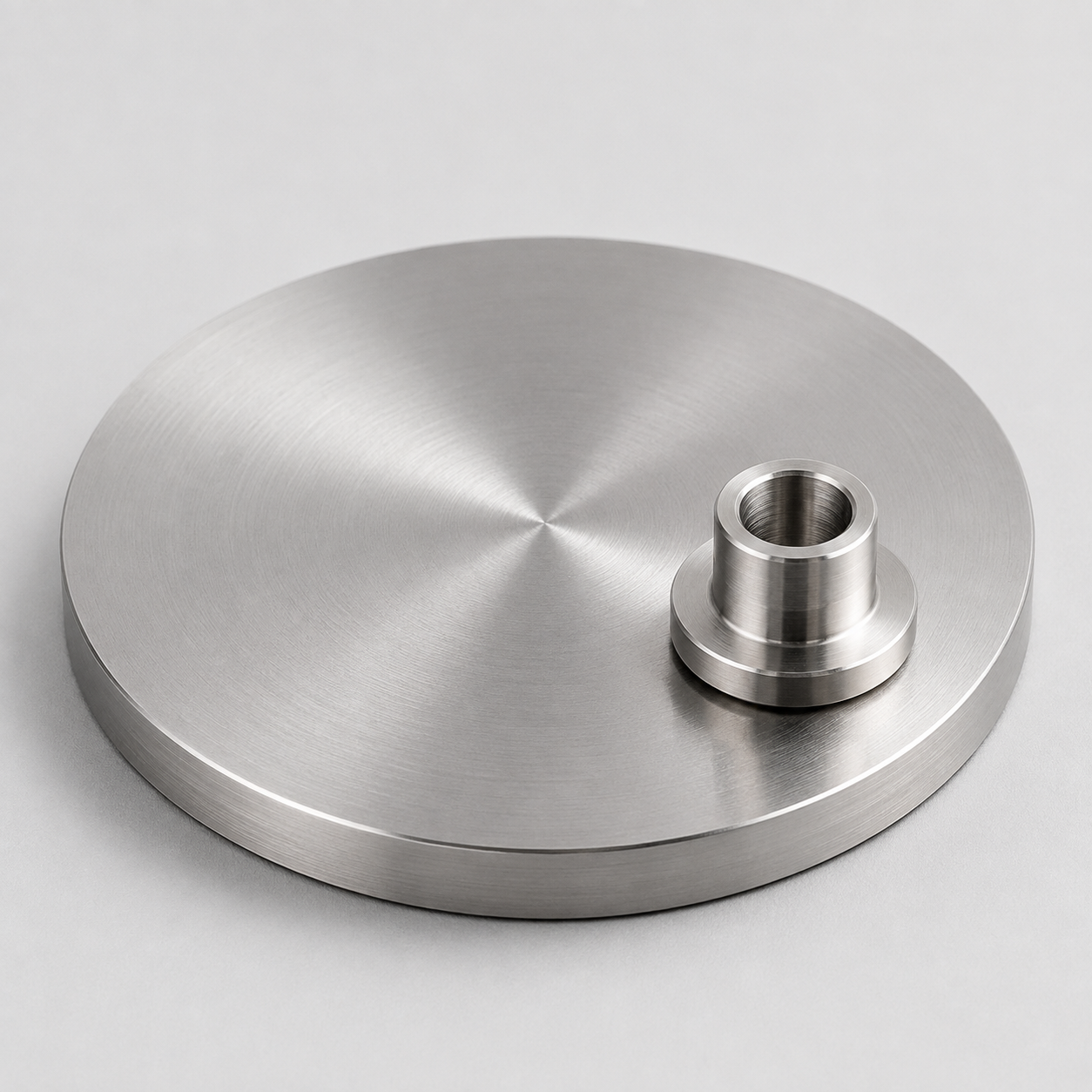
Stainless Steel
Stainless steel is prized for its corrosion resistance, mechanical strength and clean appearance. It's the go-to material for medical, food processing, marine and outdoor applications where rust resistance is critical.
We regularly machine austenitic grades (303, 304, 316) for general corrosion resistance, ferritic grades (430) for magnetic applications, and precipitation-hardened grades (17-4 PH) for high-strength components. 303 is our most machinable stainless grade, while 316L is preferred for medical and high-corrosion environments.
Common Grades We Machine
Most machinable austenitic stainless. Free-machining with sulfur addition. Ideal for high-volume turned parts.
Classic 18/8 stainless. Good corrosion resistance and formability. Most widely used general-grade stainless.
Low-carbon version of 304. Better weldability and resistance to intergranular corrosion.
Premium corrosion resistance with molybdenum addition. Medical, marine and chemical processing standard.
Free-machining martensitic stainless. Good strength and hardness. Magnetic.
Ferritic stainless. Magnetic, good corrosion resistance for general use. Lower cost alternative to 304.
Precipitation-hardened stainless. High strength (up to 1100 MPa) with good corrosion resistance.
Similar to 17-4 PH with improved transverse properties. Better toughness in thicker sections.
Additional grades available on request. Let us know your specific requirements.
Typical Applications
Medical instruments
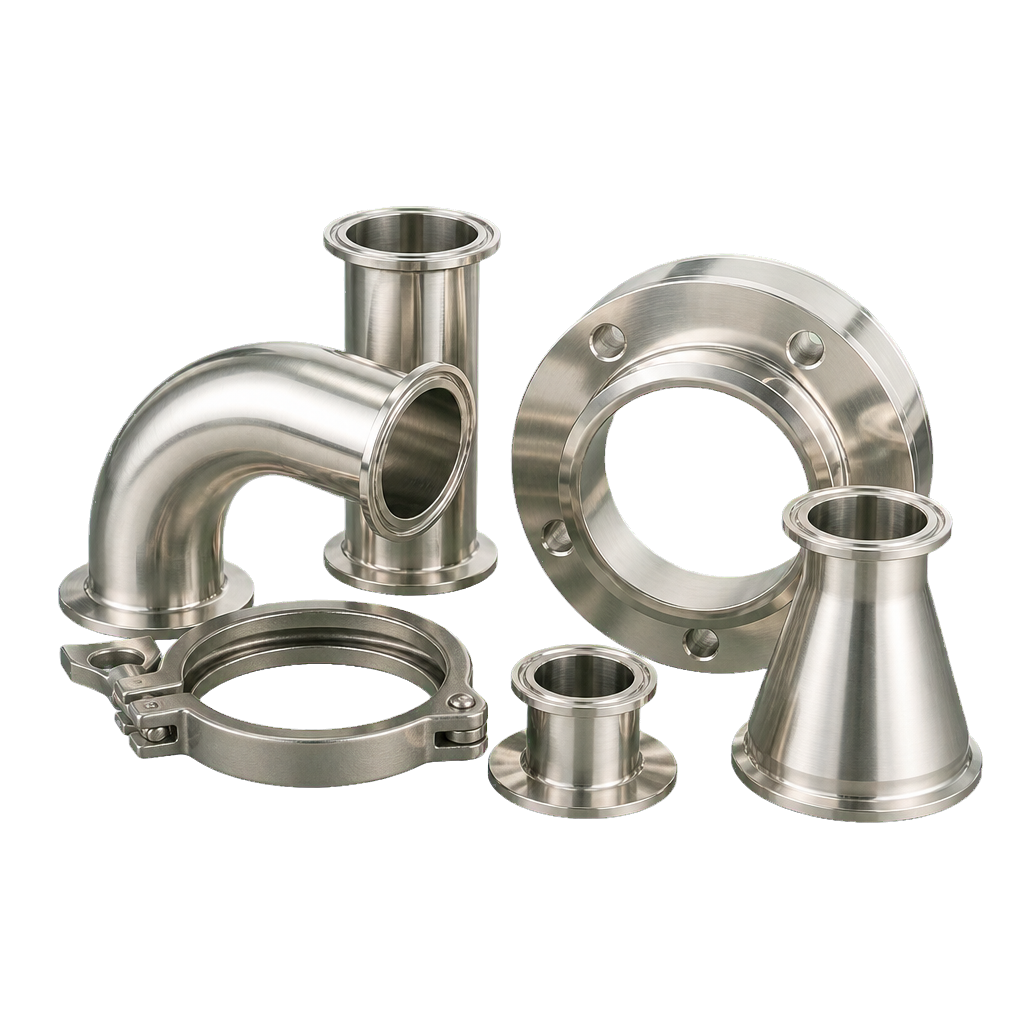 Food processing equipment
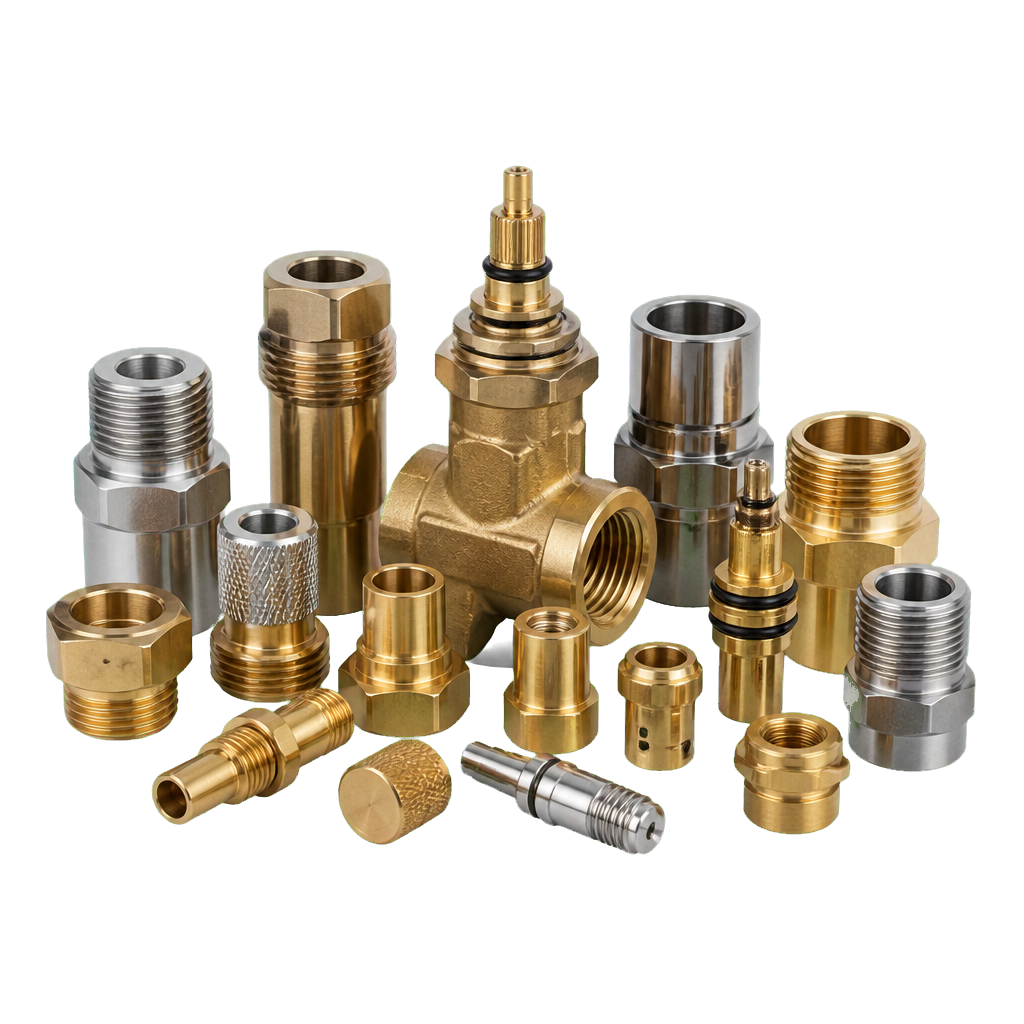 Marine components
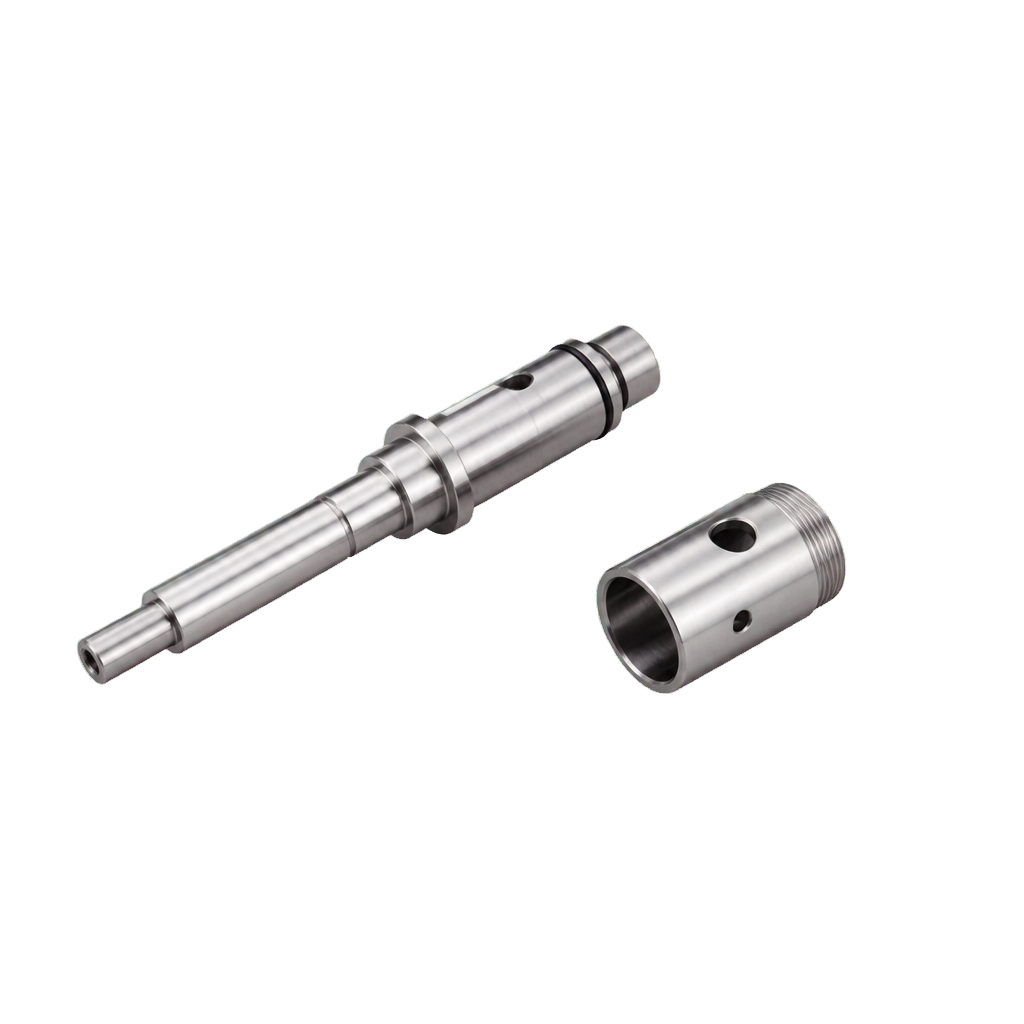 Sensors & probes
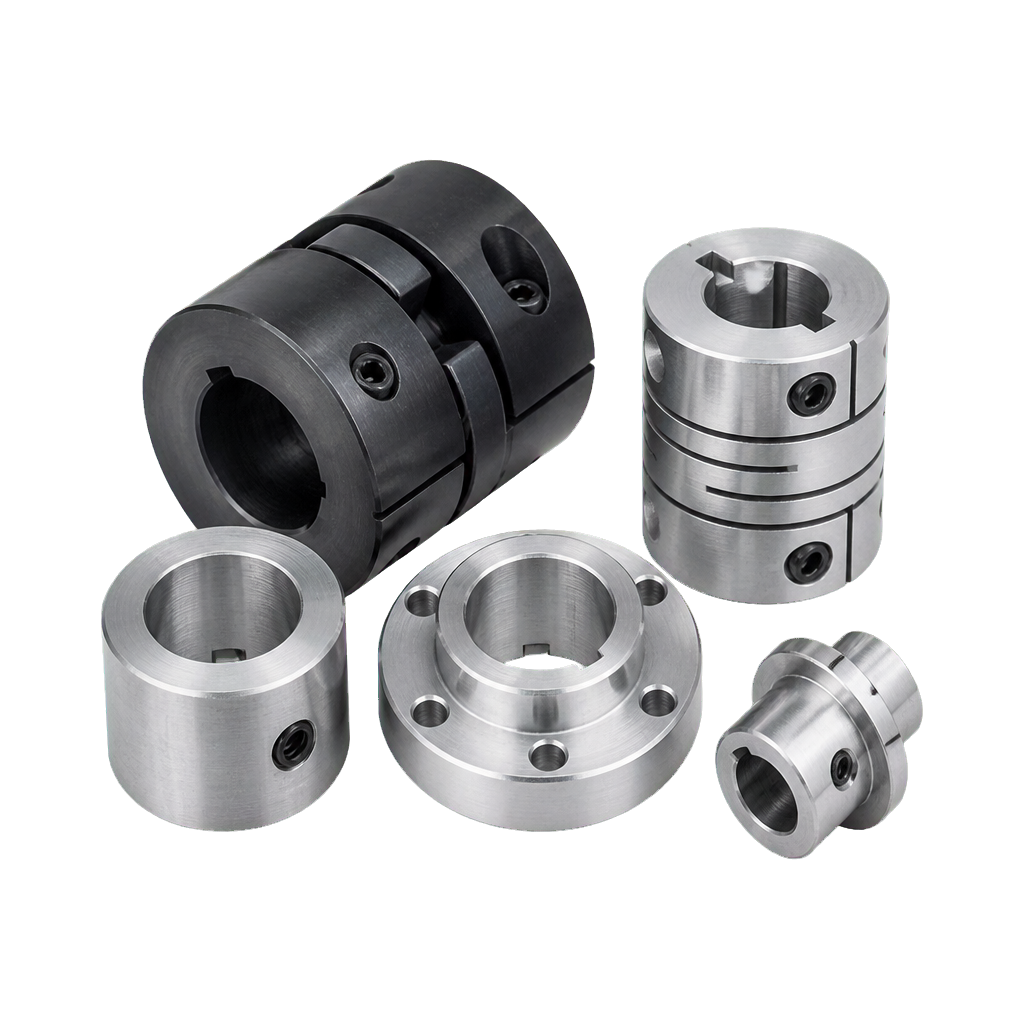 Valves & fittings
Automotive parts
Outdoor equipment
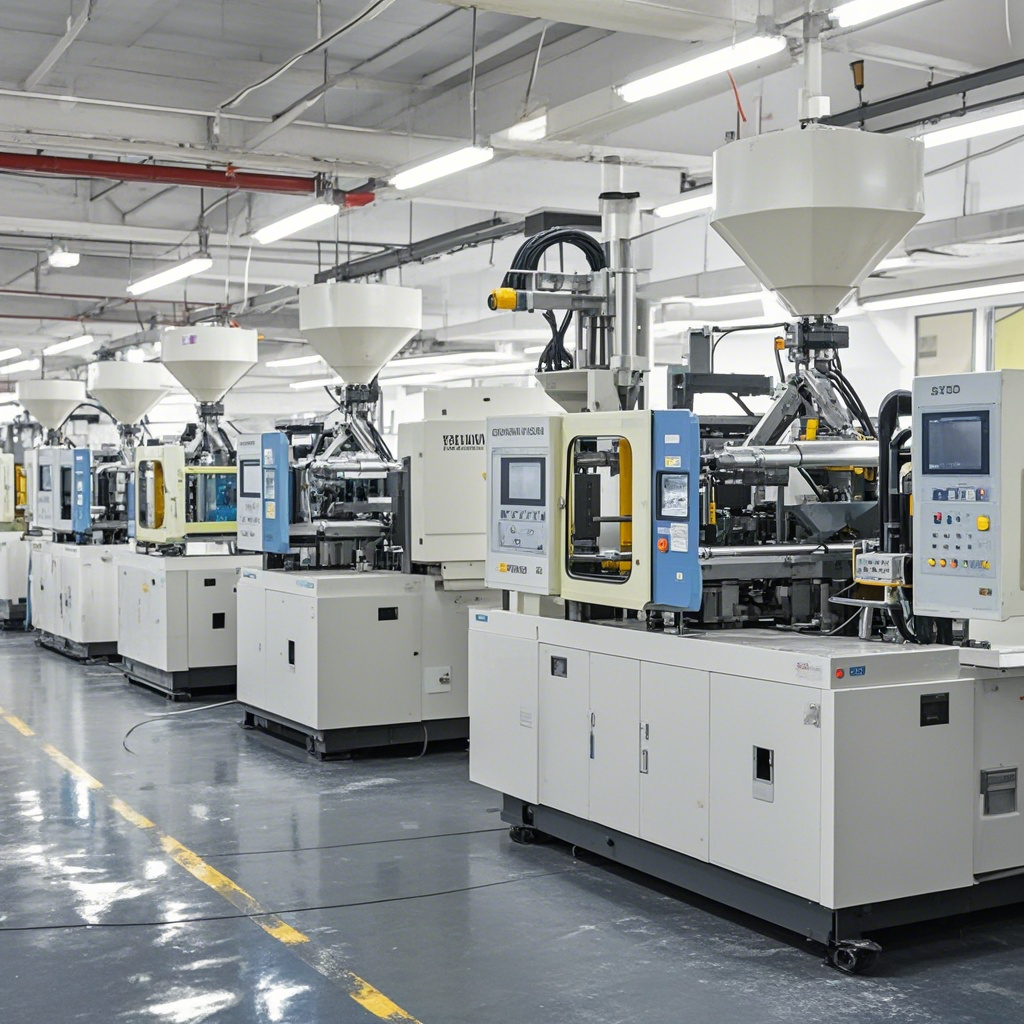 Chemical processing
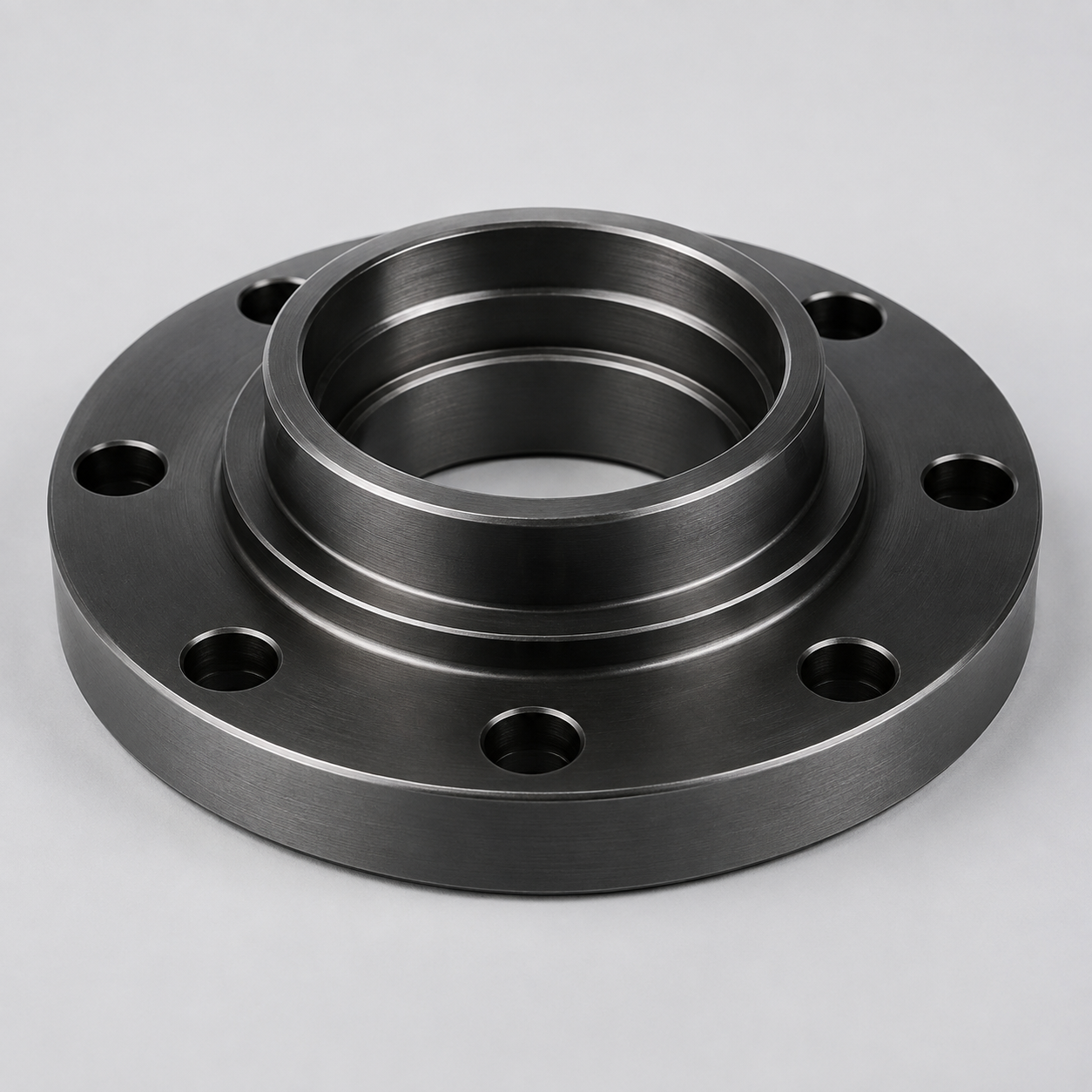
Carbon & Alloy Steel
Carbon and alloy steels are the workhorses of industrial manufacturing - valued for their strength, hardness, toughness and cost-effectiveness. From simple 1018 brackets to heat-treated 4140 shafts, these materials form the backbone of mechanical engineering.
Low-carbon steels (1018, 1020) are easy to machine and weld. Medium-carbon steels (1045, 4140) respond well to heat treatment for high strength and hardness. Free-machining grades (12L14, 1215) are optimized for high-volume automatic lathe and Swiss turning production.
Common Grades We Machine
Low-carbon, easy to machine and weld. Good for general-purpose brackets, fixtures and low-stress parts.
Medium-carbon steel. Heat-treatable to high hardness. Widely used for shafts, gears and axles.
Chrome-moly alloy steel. Excellent strength and toughness after quenching & tempering. High-stress shafts, bolts, gears.
Chromium-molybdenum steel. Good weldability and strength. Aerospace, automotive and bicycle components.
Nickel-chromium-molybdenum steel. Ultra-high strength after heat treatment. Critical aerospace and defense components.
Free-machining steel with lead. Excellent for high-volume Swiss turning and automatic lathe production.
Lead-free free-machining steel. RoHS compliant alternative to 12L14. Good surface finish and machinability.
Mild structural steel. Common for welded structures, plate work and general fabrication.
Additional carbon and alloy steel grades available. Spring steel and Grade 8.8/10.9/12.9 fastener steel also supported.
Typical Applications
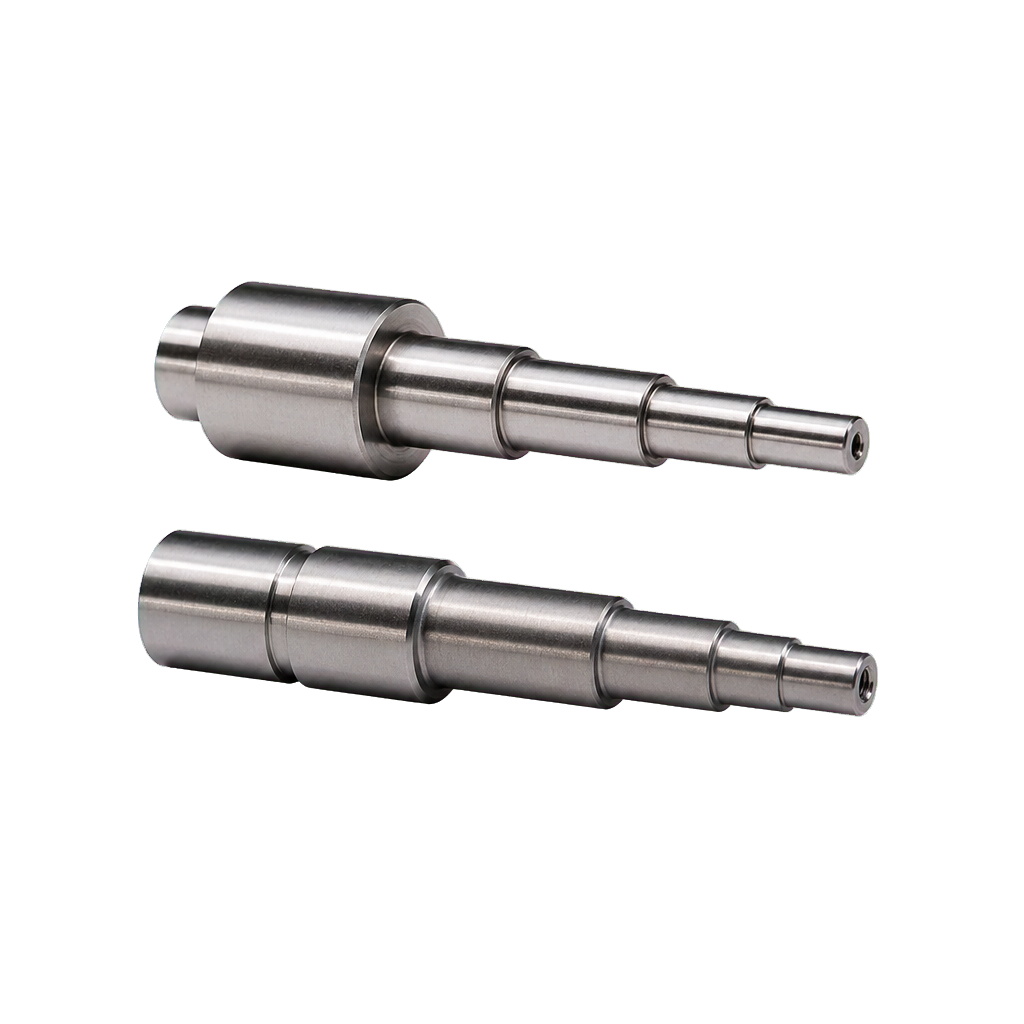 Shafts & axles
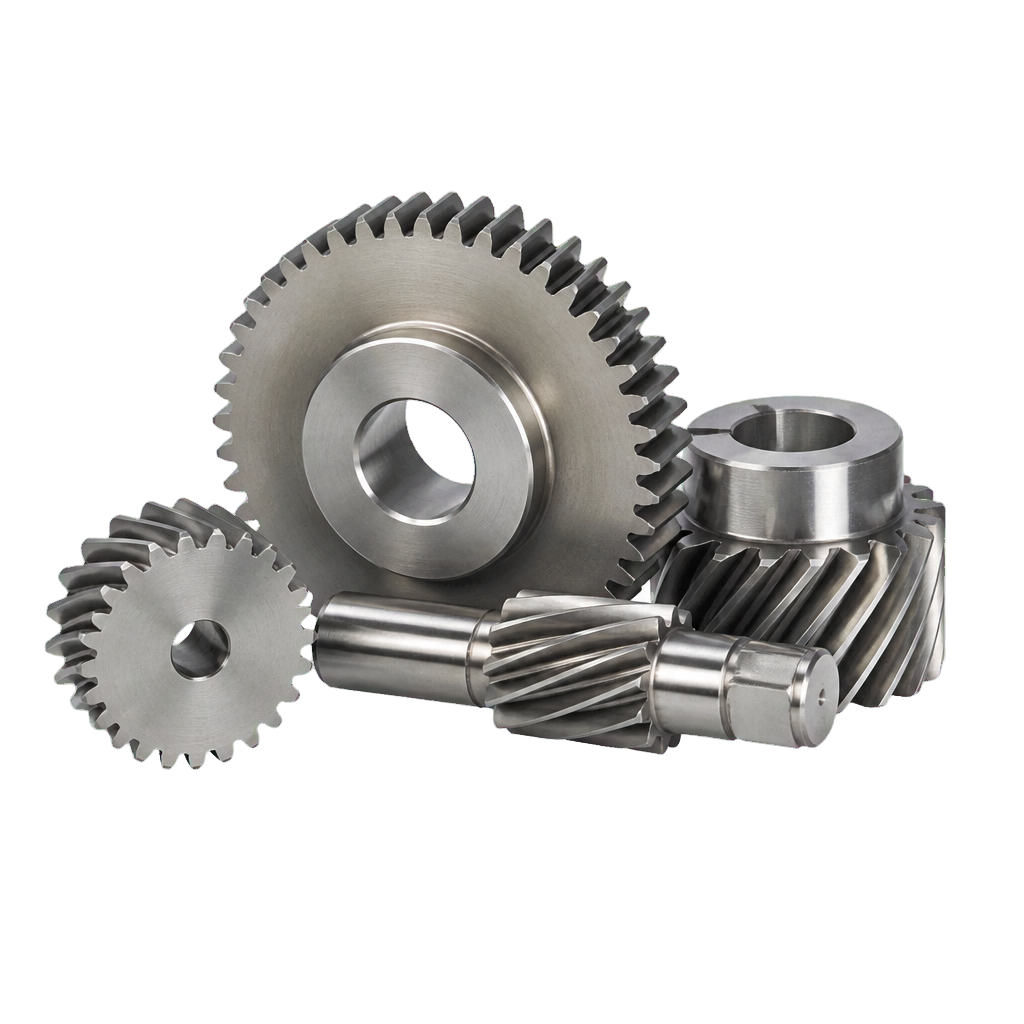 Gears & pinions
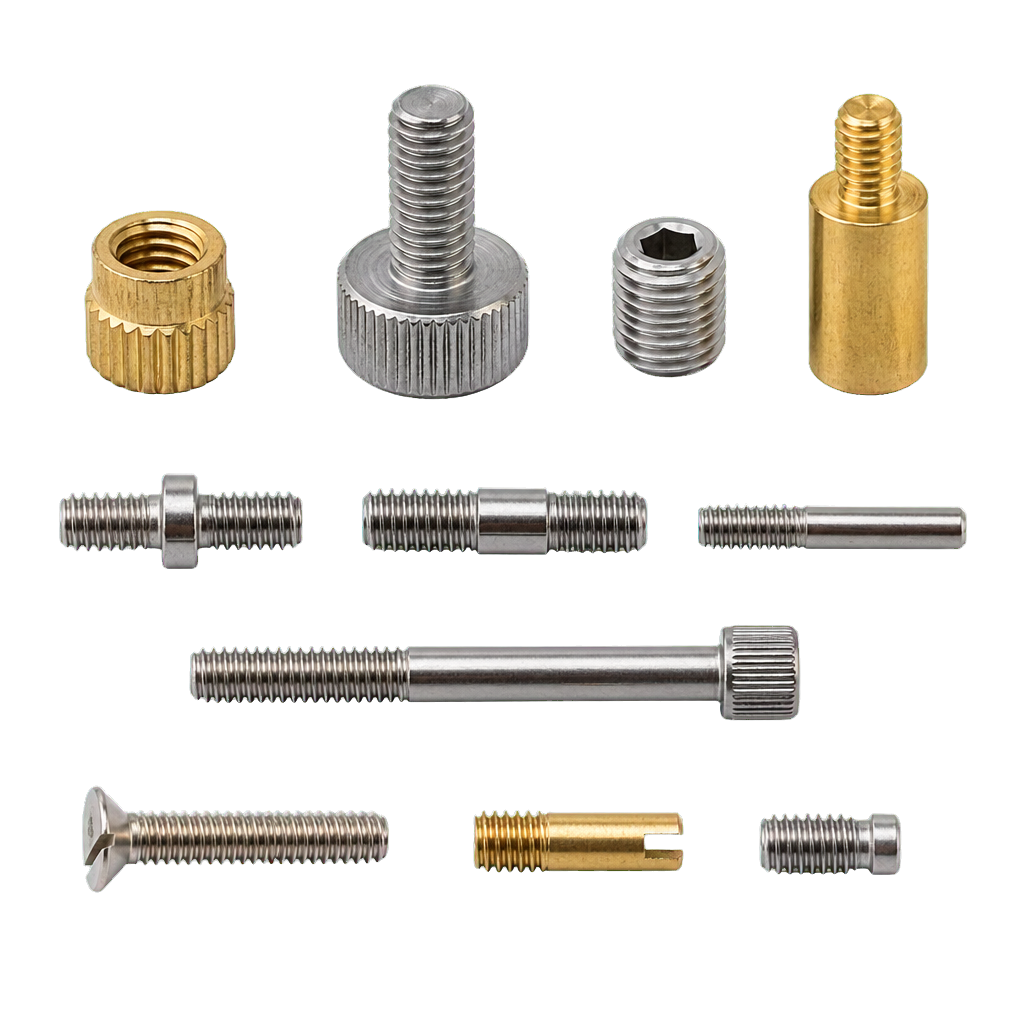 Fasteners & bolts
Industrial machinery
Automotive components
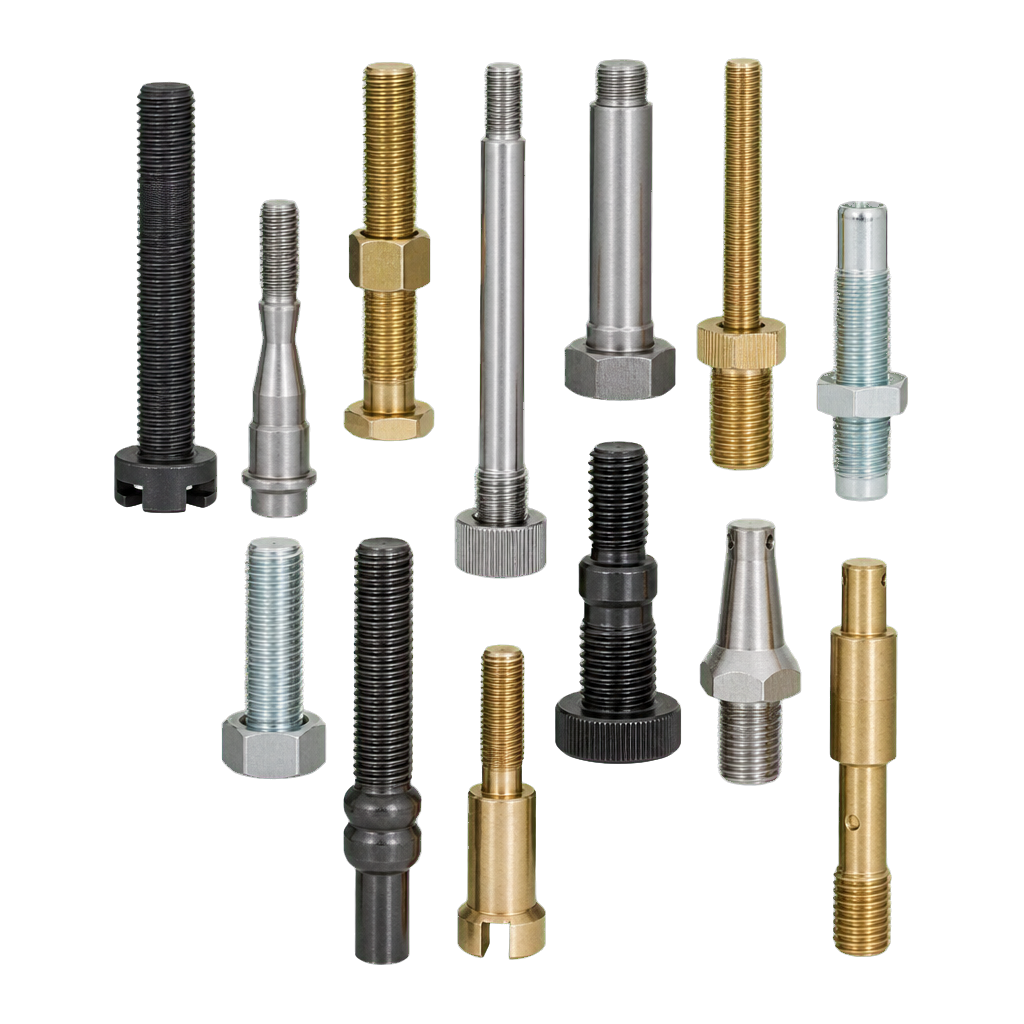 Tool holders
Hydraulic parts
Structural brackets

Tool & Mold Steel
Tool steels are specifically formulated for hardness, wear resistance and toughness - making them ideal for cutting tools, dies, molds and high-wear components. Each grade is designed for specific working conditions, from cold forming to high-temperature hot work.
We machine tool steels in both pre-hardened and annealed conditions. D2 and A2 are our most commonly requested cold-work tool steels for punches, dies and shear blades. H13 is the standard for hot work and die casting applications, while P20 is widely used for plastic injection molds.
Common Grades We Machine
High-carbon, high-chromium cold-work tool steel. Excellent wear resistance and abrasion resistance. Punches, dies, shear blades.
Air-hardening cold-work tool steel. Good balance of toughness and wear resistance. Less distortion than D2 during hardening.
Oil-hardening cold-work tool steel. Good machinability in annealed state. General-purpose tool steel for knives and tools.
Hot-work tool steel. Excellent high-temperature strength and toughness. Die casting, extrusion dies, forging tools.
Molybdenum-type high-speed steel. Excellent red hardness and wear resistance. Cutting tools, drills, end mills.
Pre-hardened plastic mold steel. Good machinability and polishability. Plastic injection molds and die holders.
Alloy tool steel. Good hardenability and wear resistance. Measuring tools, gauges and cold forming dies.
Typical Applications
Cutting tools
Punches & dies
Plastic injection molds
Die casting tools
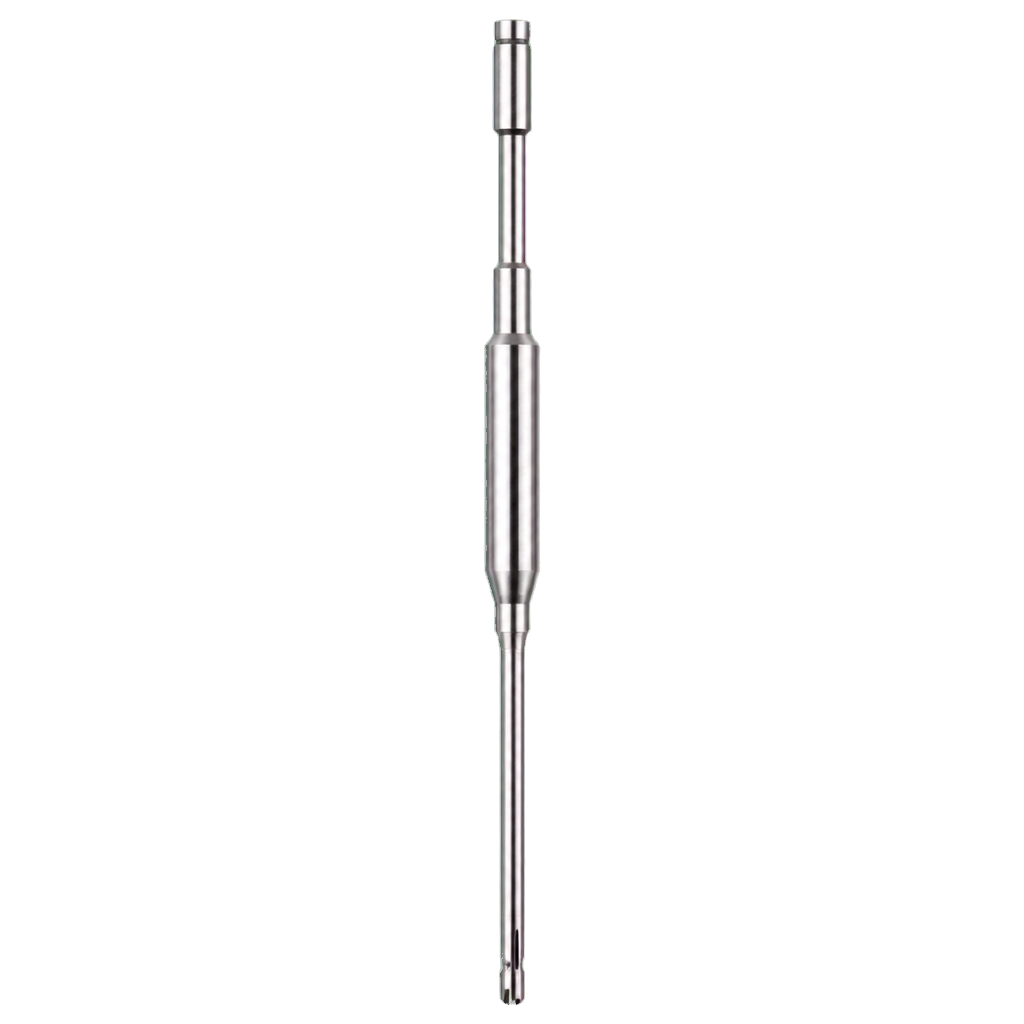 Gauges & fixtures
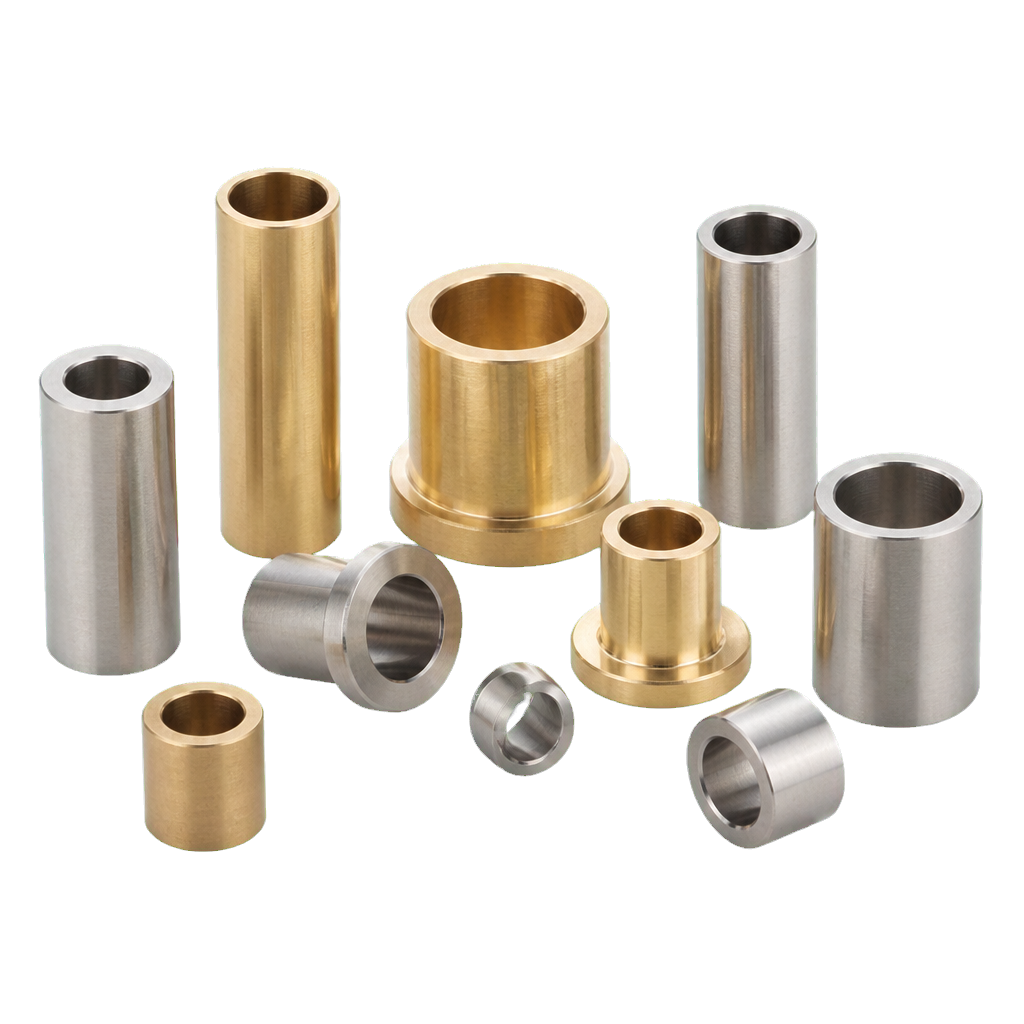 Bushings & wear parts
Shear blades
Forming rolls
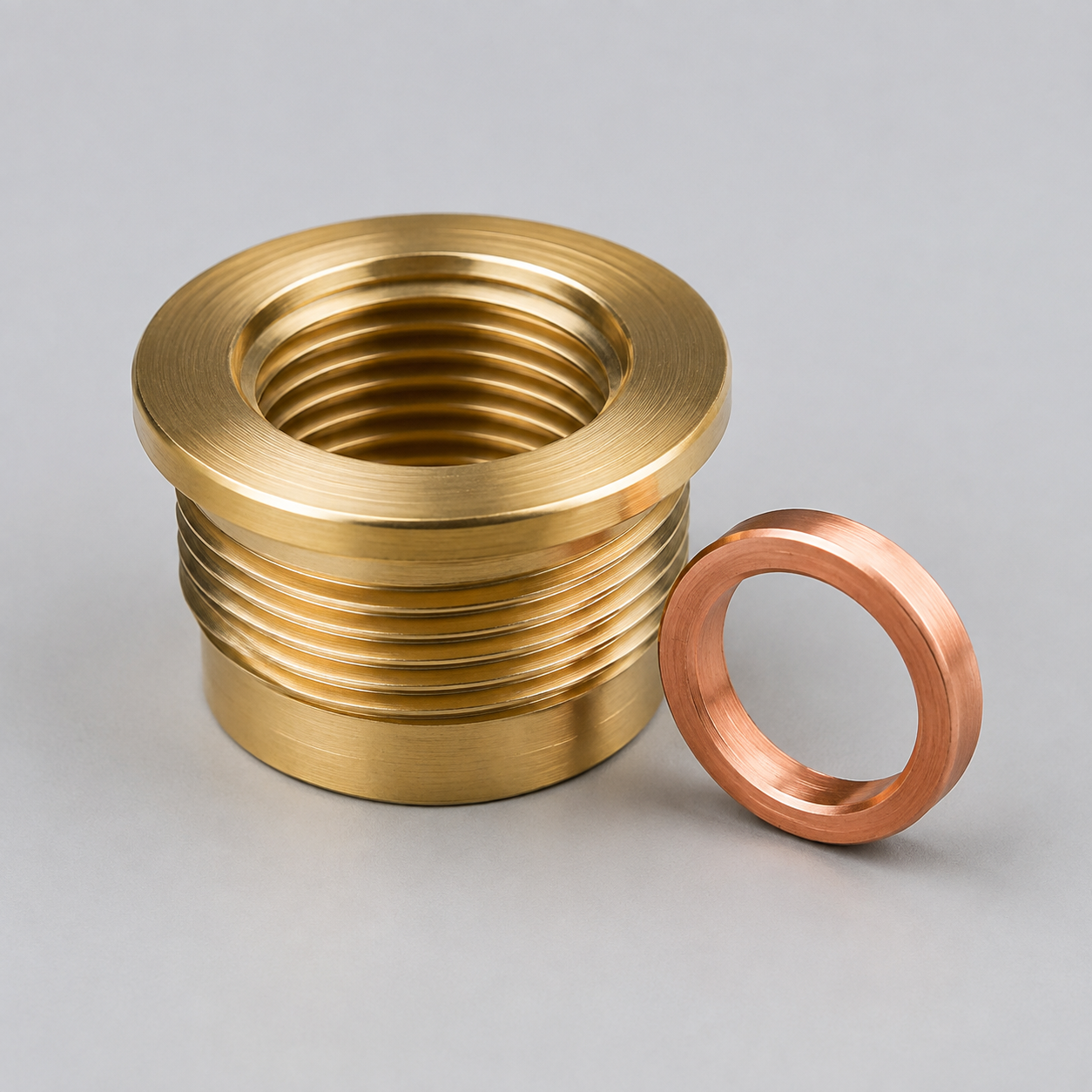
Copper & Copper Alloys
Copper and its alloys are valued for excellent electrical and thermal conductivity, corrosion resistance and decorative appearance. Brass is the most commonly machined copper alloy - it's free-cutting, produces excellent surface finish and takes well to plating.
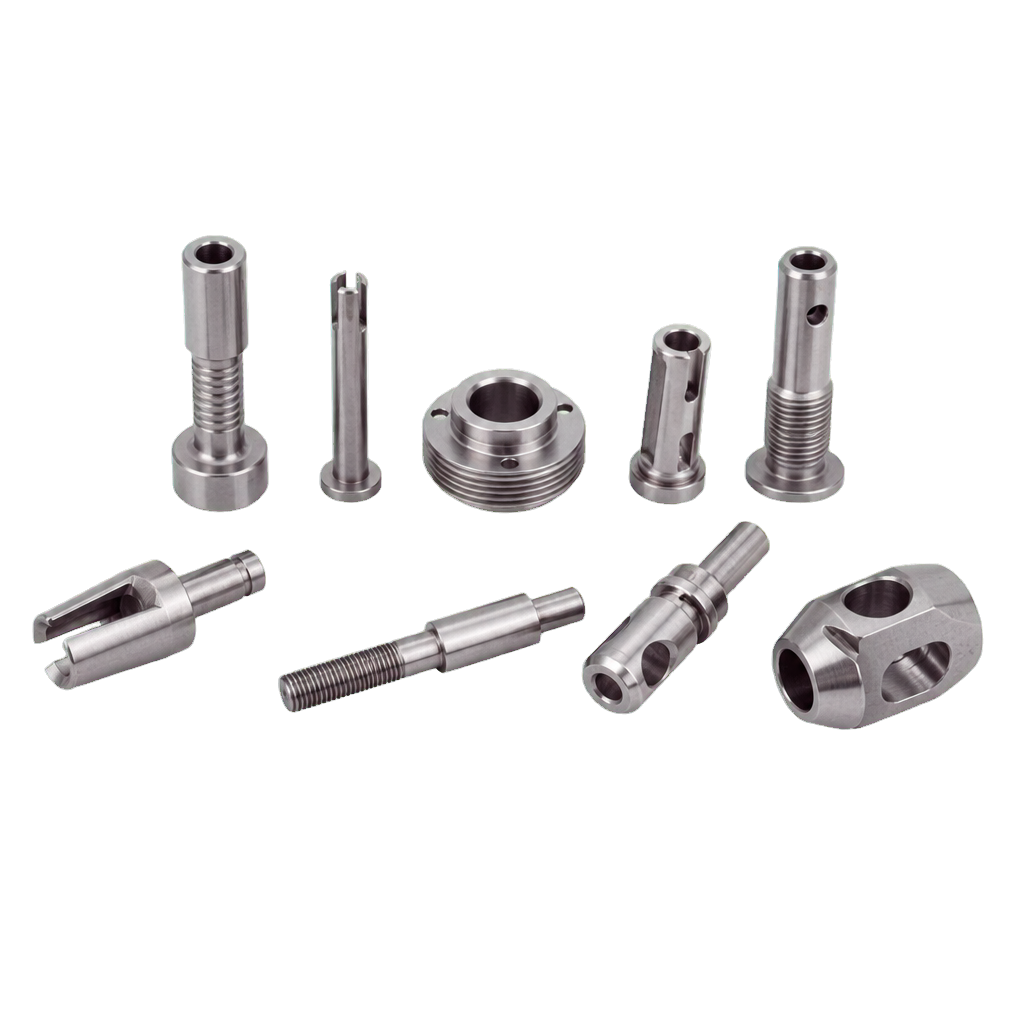
We machine a full range of copper alloys: free-cutting brass for high-volume connectors and terminals, phosphor bronze for springs and electrical contacts, beryllium copper for high-strength spring components, and pure copper for thermal and electrical applications.
Common Grades We Machine
Free-cutting brass. Excellent machinability and surface finish. High-volume connectors, terminals and turned parts.
Chinese standard brass grades. Good strength and corrosion resistance. General-purpose brass components.
Pure copper. Excellent electrical and thermal conductivity. Electrical contacts, heat sinks and busbars.
High strength, elasticity and fatigue resistance. Spring contacts, electrical connectors and bearing surfaces.
Highest strength copper alloy. Excellent spring properties and corrosion resistance. High-performance springs and contacts.
Tin bronze. Good wear resistance and hardness. Bearings, gears and bushings.
Copper-nickel alloy. Excellent corrosion resistance in seawater. Marine and offshore applications.
Copper-nickel-zinc alloy. Silver-like appearance, good corrosion resistance. Decorative and electronic components.
European standard 63/37 brass. Good formability and machinability. General-purpose brass parts.
Typical Applications
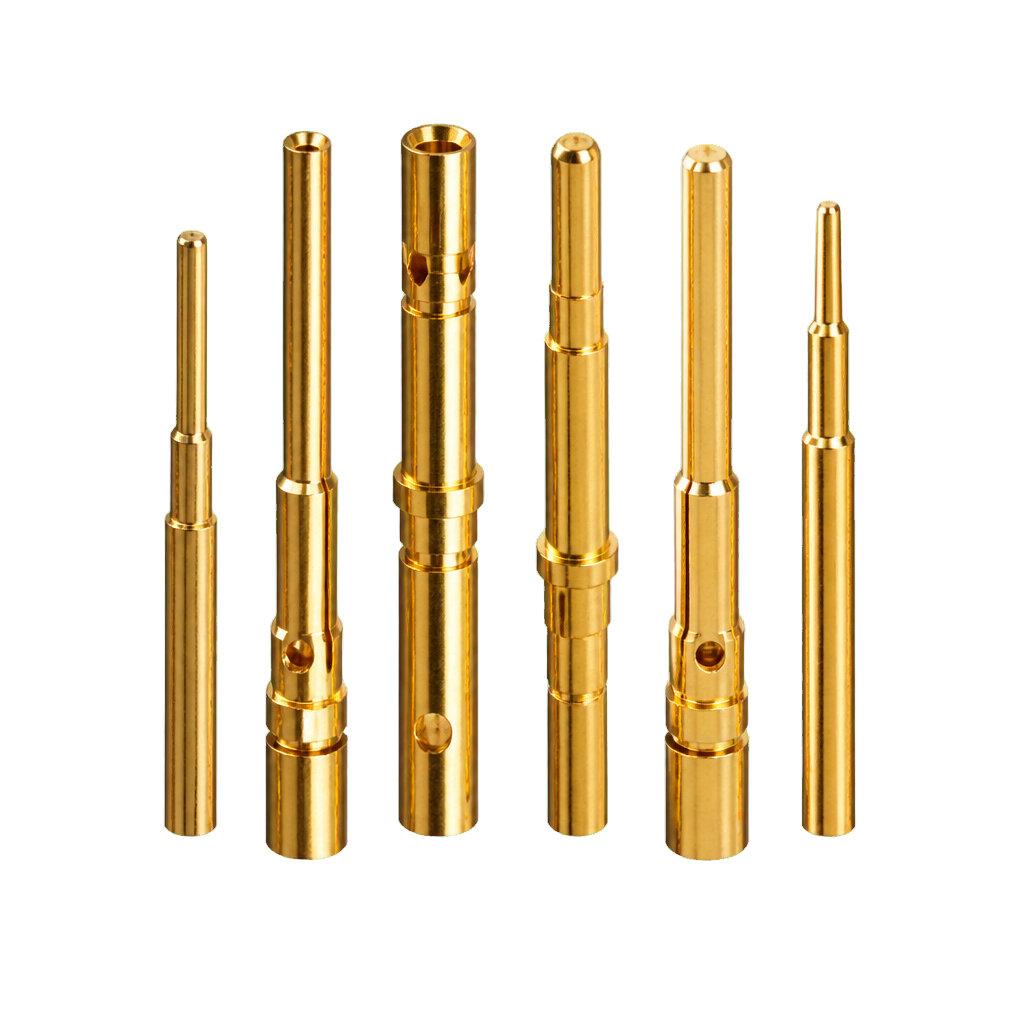 Connector pins
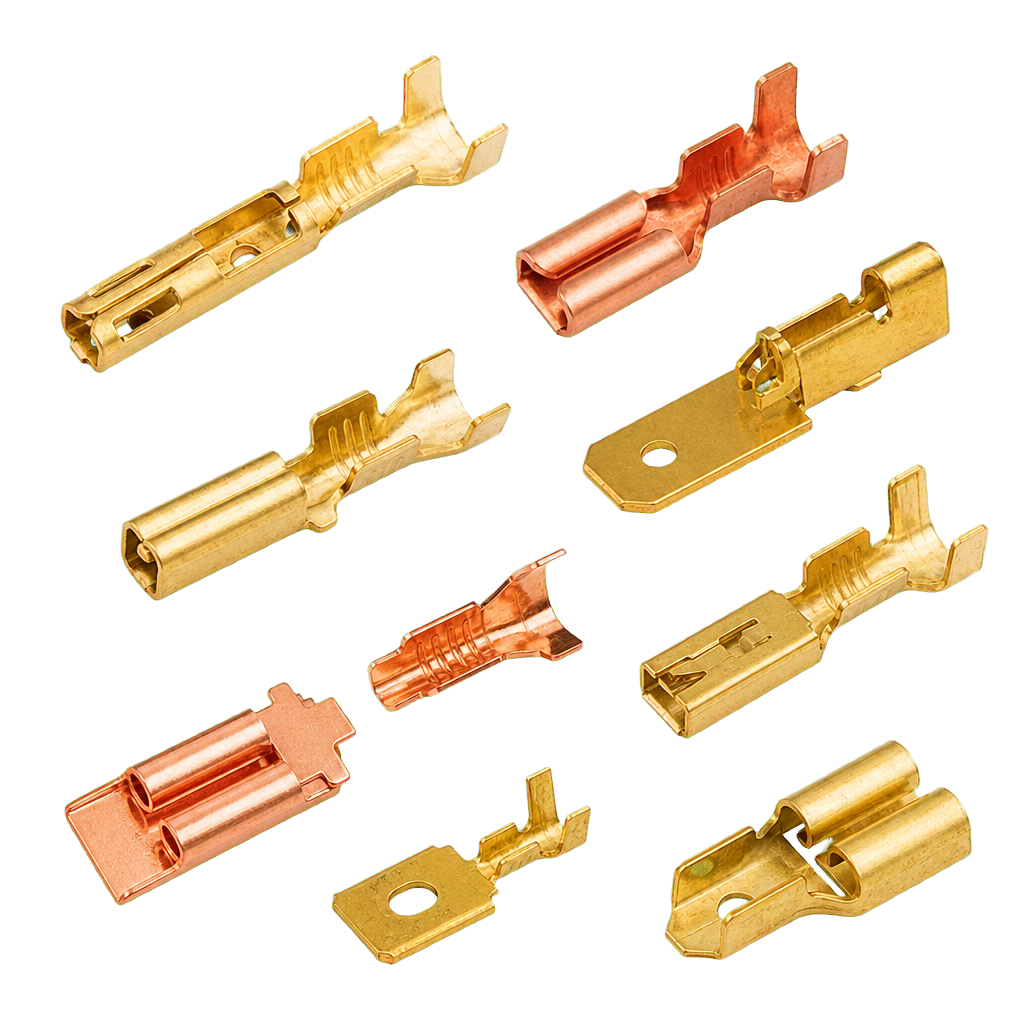 Electrical terminals
Valves & fittings
Springs & contacts
Heat exchangers
Bearings & bushings
Decorative parts
Plumbing components
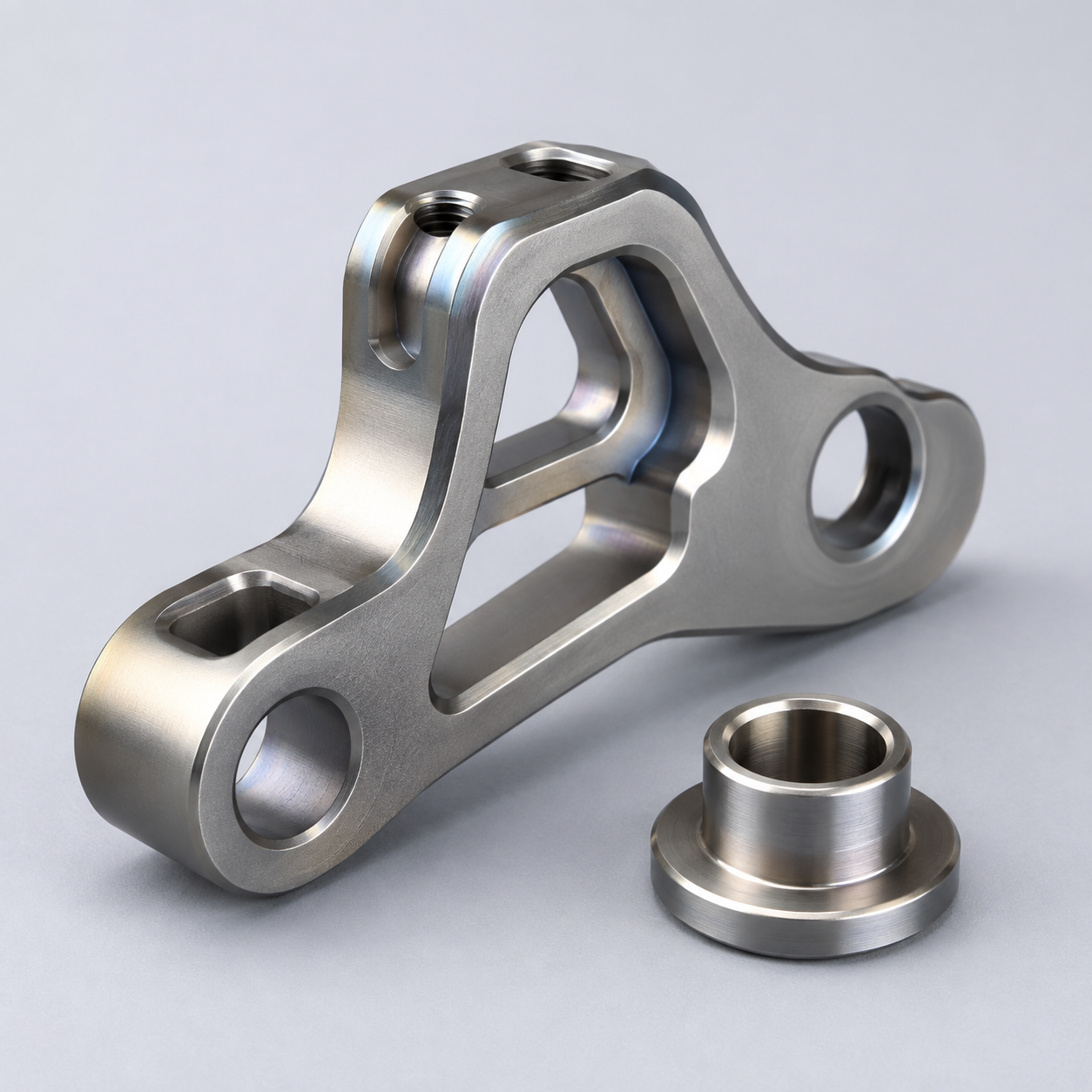
Titanium Alloys
Titanium offers an exceptional combination of high strength, low density and excellent corrosion resistance - making it the material of choice for aerospace, medical implants and high-performance applications where weight savings matter.
Grade 2 is commercially pure titanium - highly corrosion resistant and formable, commonly used for chemical processing and marine components. Grade 5 (Ti-6Al-4V) is the workhorse titanium alloy - heat treatable to high strength, used for structural aerospace components and medical implants.
Common Grades We Machine
Commercially pure titanium. Excellent corrosion resistance and formability. Chemical processing, marine, medical components.
Alpha-beta titanium alloy. Most widely used titanium grade. High strength, heat treatable. Aerospace structures and medical implants.
Typical Applications
Aerospace components
Medical implants
 Surgical instruments
Automotive (racing)
Marine hardware
Chemical processing
 Bicycle parts
High-performance sports

Superalloys (High-Temperature Alloys)
Superalloys are designed to operate under extreme mechanical stress and high temperature environments - often in corrosive conditions. They're critical for aerospace turbine components, chemical processing equipment and oil & gas applications.
Inconel 625 and 718 are the most commonly requested nickel-based superalloys. Inconel 718 is precipitation-hardenable and retains high strength at elevated temperatures (up to 700°C), making it the standard for jet engine components. Hastelloy offers exceptional corrosion resistance for harsh chemical environments.
Common Grades We Machine
Nickel-chromium-molybdenum alloy. Excellent corrosion resistance and high-temperature strength. Chemical processing, marine, aerospace.
Precipitation-hardenable nickel alloy. High strength up to 700°C. Jet engine components, turbine discs, rocket motors.
Nickel-molybdenum-chromium alloy. Superior corrosion resistance in strongly oxidizing and reducing environments.
Nickel-copper alloy. Excellent resistance to seawater and acidic environments. Marine and chemical processing equipment.
Typical Applications
Aerospace turbine
Chemical processing
Oil & gas (downhole)
Marine equipment
Nuclear components
Heat exchangers
Valve components
Rocket motor parts
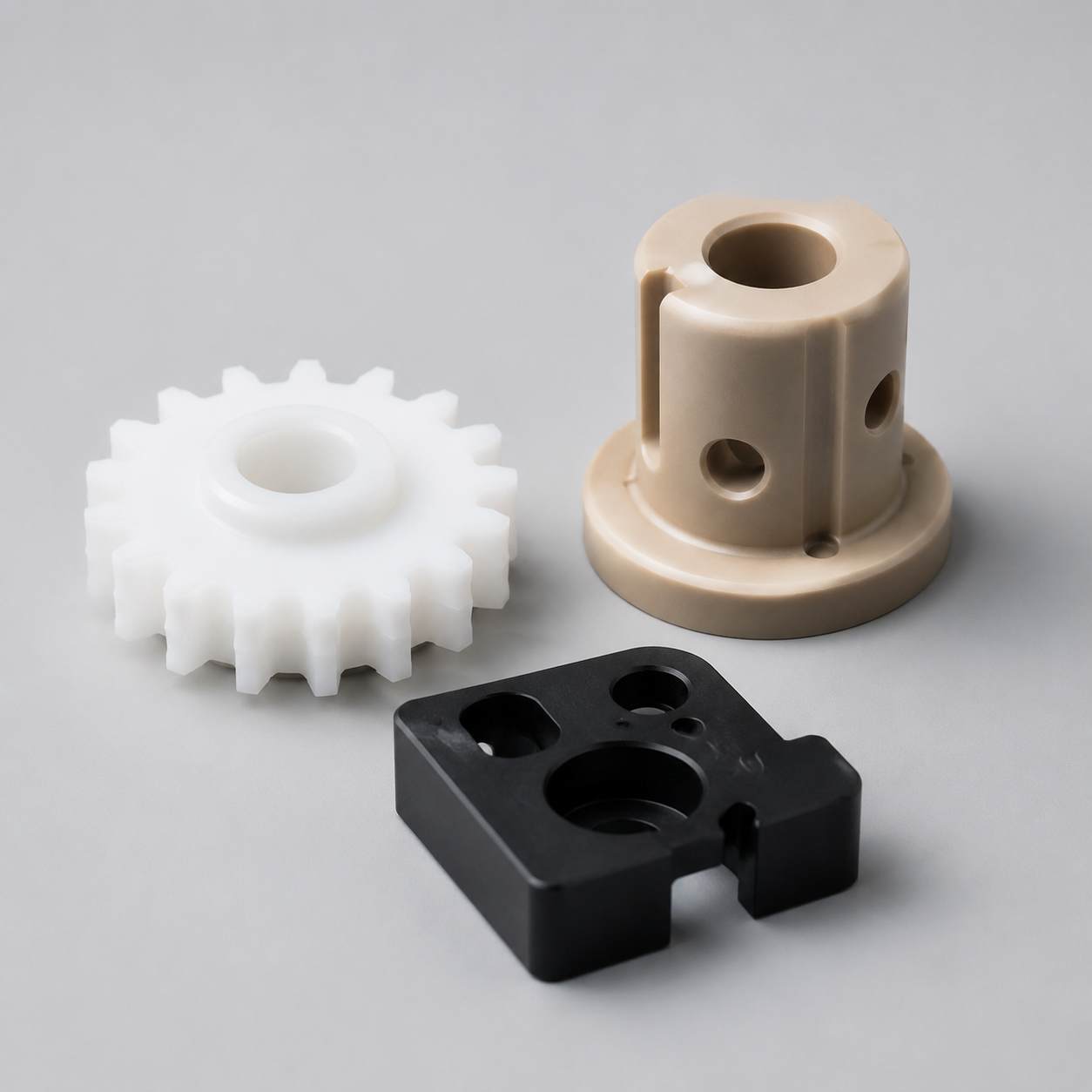
Engineering Plastics
Engineering plastics offer unique advantages for precision components: lightweight, excellent electrical insulation, natural corrosion resistance and self-lubricating properties. They're ideal for applications where metal would be too heavy, too conductive or require additional surface treatment.
We machine both general-purpose engineering plastics (ABS, PC, acrylic) and high-performance grades (PEEK, POM/Delrin, Nylon). POM is our most commonly machined plastic for precision components - it's dimensionally stable, has good wear resistance and machines to a smooth finish. PEEK is the premium choice for high-temperature and medical applications.
Common Grades We Machine
Tough, impact-resistant plastic. Good machinability and low cost. Enclosures, housings, structural components.
Transparent, extremely impact resistant. Safety glazing, lenses, protective covers.
Excellent optical clarity. Polishes to a glass-like finish. Lenses, light guides, decorative parts.
Rigid, chemical resistant, low cost. Plumbing components, electrical insulation, fluid handling.
High-density polyethylene. Excellent chemical resistance and low friction. Fluid handling, wear components.
Ultra-high molecular weight PE. Extremely low friction and wear resistance. Bearings, bushings, wear strips.
Acetal copolymer. Excellent dimensional stability, good wear resistance. Our most machined plastic for precision parts.
Good strength, wear resistance and damping. Gears, bearings, structural components. Can be glass-filled for higher strength.
Highest-performance engineering plastic. 250°C continuous use, chemical resistant, biocompatible. Medical and aerospace.
Lowest friction of any solid material. Excellent chemical resistance. Non-stick and high-temperature applications.
Strong, stiff, dimensionally stable. Good electrical properties. Electrical and electronic components.
Typical Applications
Gears & pulleys
Bearings & bushings
Electrical insulators
Medical devices
Food processing
Fluid handling
Consumer products
Aerospace interiors
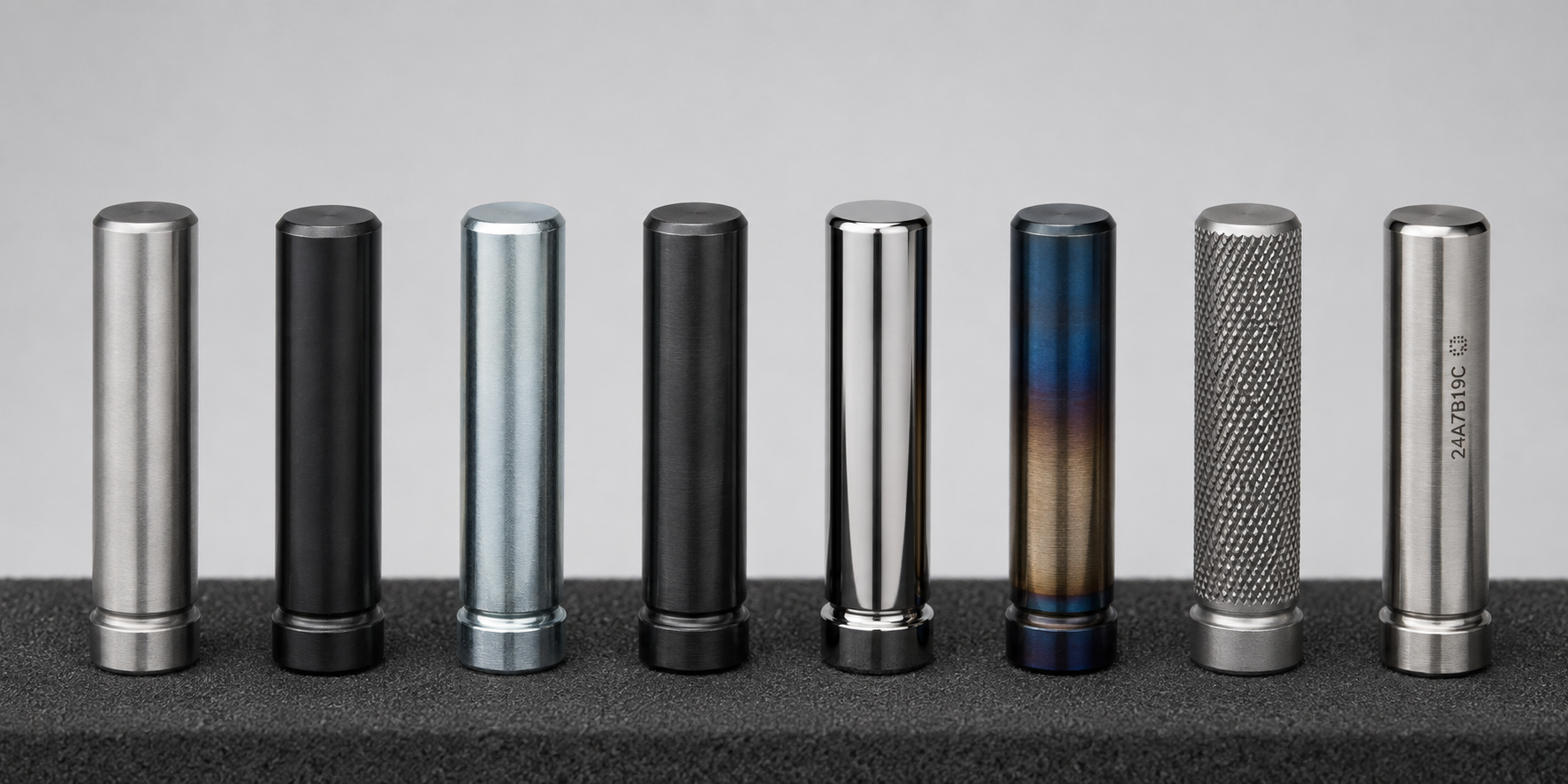
How to Choose the Right Material
Not sure which grade fits? These are the factors our engineers weigh when recommending a material for your drawing.
Mechanical Requirements
Loads, tensile strength, hardness, impact resistance and fatigue life all shape the shortlist.
Environmental Conditions
Moisture, salt, chemicals and temperature ratings quickly narrow workable options.
Weight Constraints
For aerospace, robotics or handheld devices, aluminum, titanium or engineering plastics often beat steel.
Surface & Finish
Anodizing favors aluminum; plating favors steel and brass. Match finish process to the alloy.
Volume & Cost
More machinable grades (for example 303 vs 304) can cut cycle time and per-part cost at volume.
Regulatory & Compliance
Medical, food-contact and RoHS rules can restrict free-machining alloys and require certified grades.
Material Certification & Traceability
Every batch is verified and traceable. We supply the documentation you need for quality records and compliance.
Material Test Certificates
MTC with grade, chemistry and mechanical properties per the mill certificate.
Full Batch Traceability
Heat and lot numbers tracked from incoming inspection through delivery.
RoHS & REACH
Standard materials and finishes are RoHS and REACH compliant on request confirmation.
Third-Party Testing
Hardness, tensile and salt-spray testing available through certified labs.
Not Sure Which Material to Use?
Send us your drawing and application requirements. Our engineers will review manufacturability and recommend the best fit.